

- by Landon McMath
Why Are RZR Skid Plates So Important for Off-Roading?
- by Landon McMath
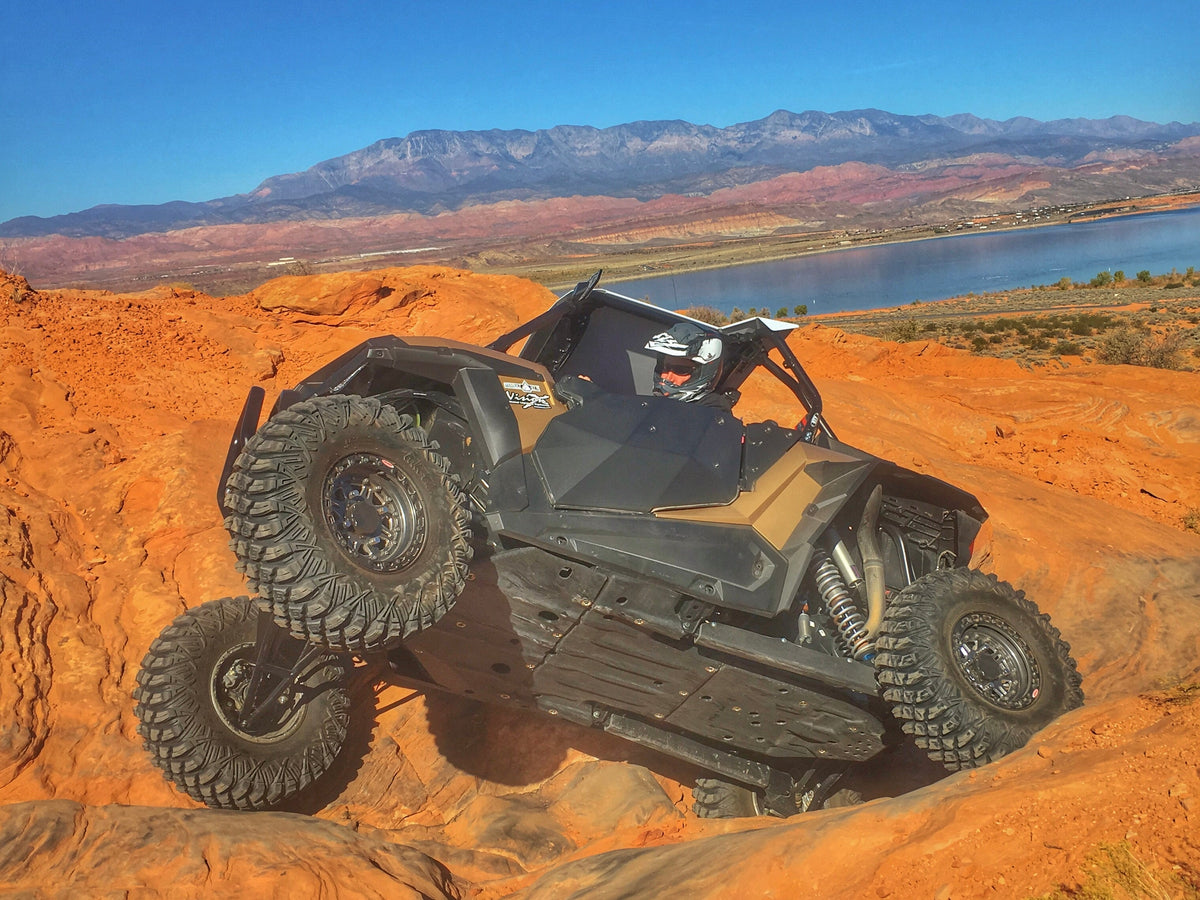
Polaris RZR skid plates cover sections of the underside that can contact rocks or ledges. A skid takes contact when the chassis comes down on an obstacle. Ground clearance, suspension setup, and line choice affect how often that happens.
Coverage on Polaris RZR skid plates depends on the panel and chassis. Compare the front, center, and rear edges against the machine’s underside. A center skid can shield the lower chassis and components above it, while parts beyond its edges can remain exposed.
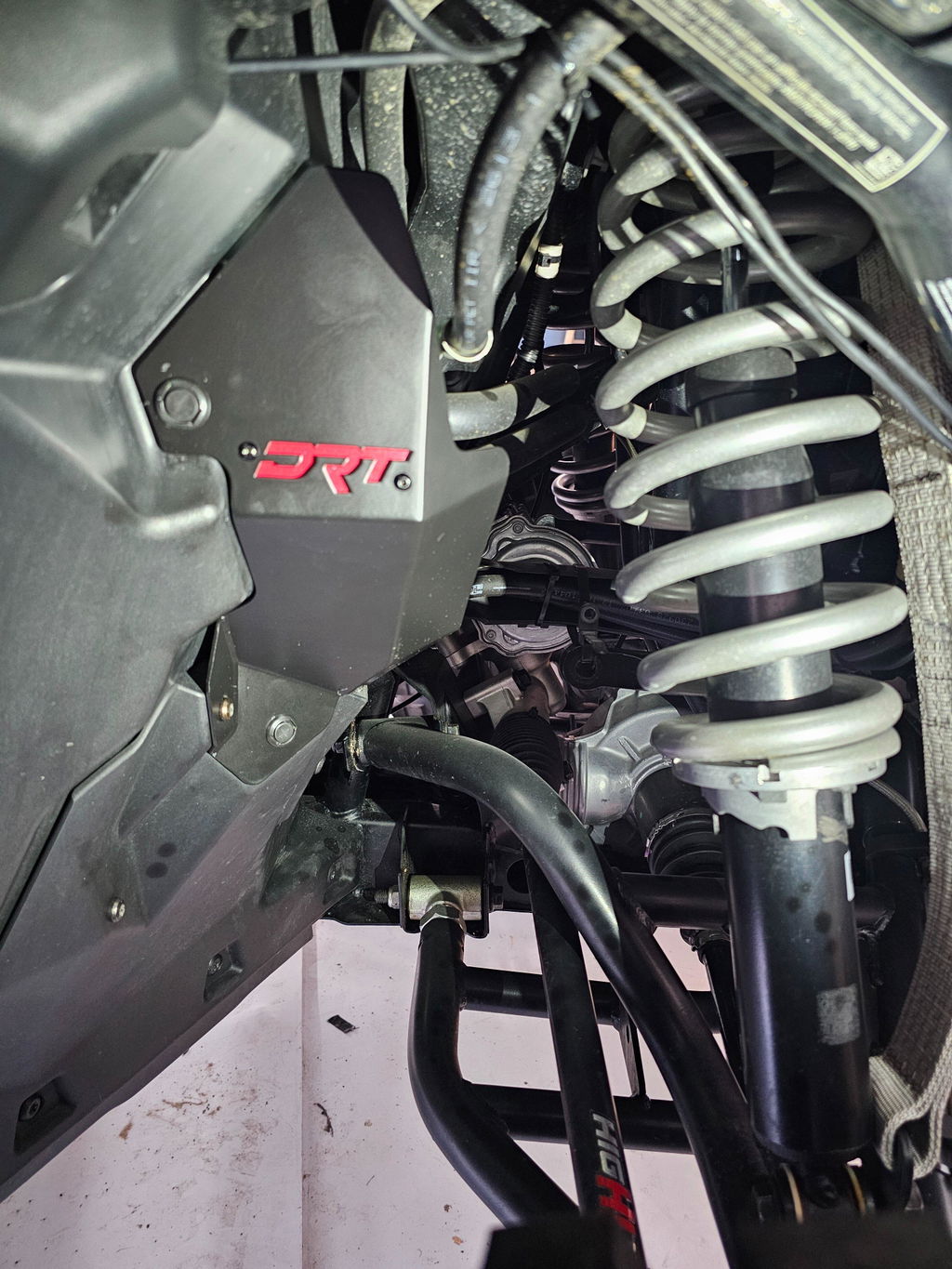
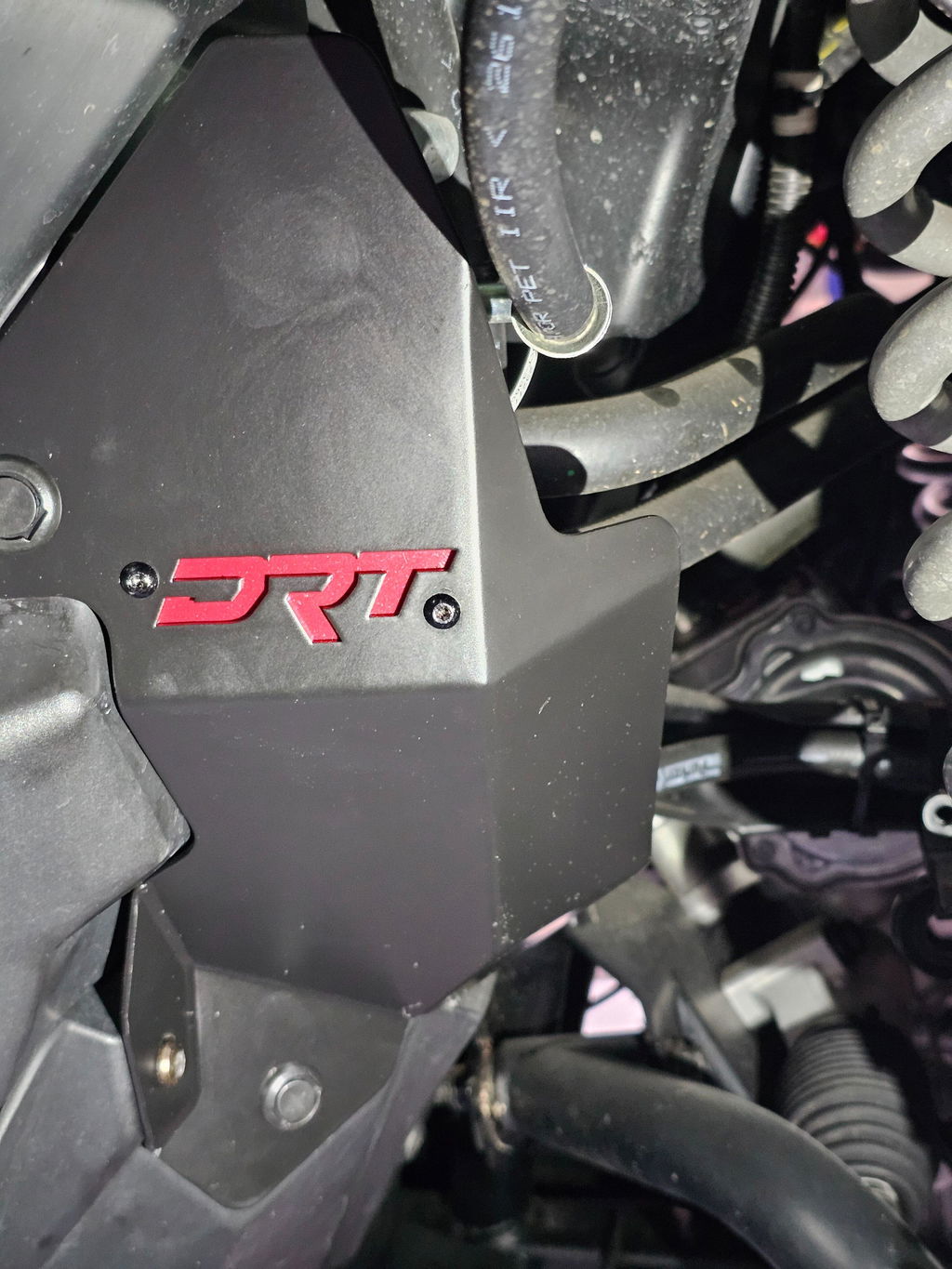
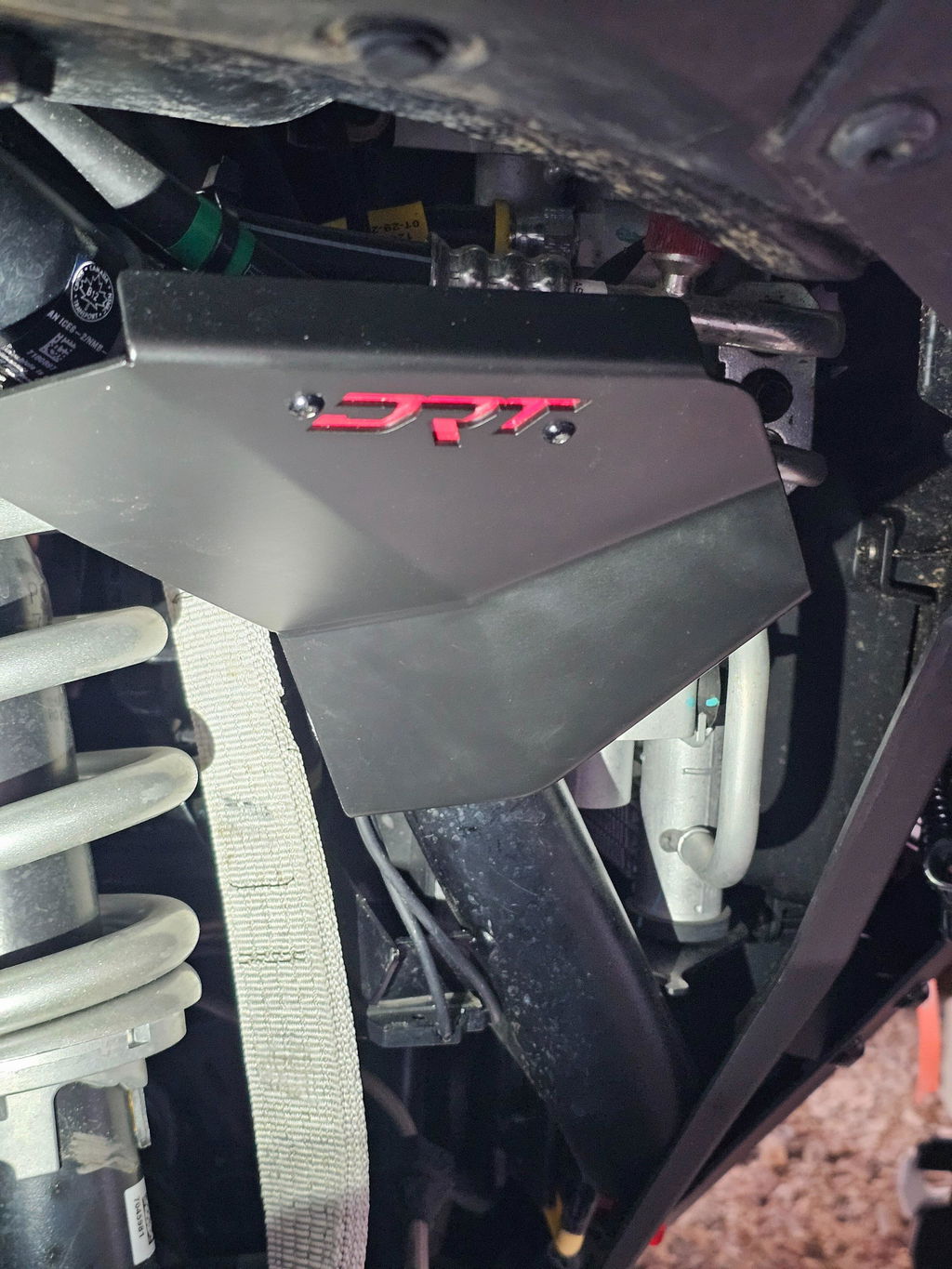
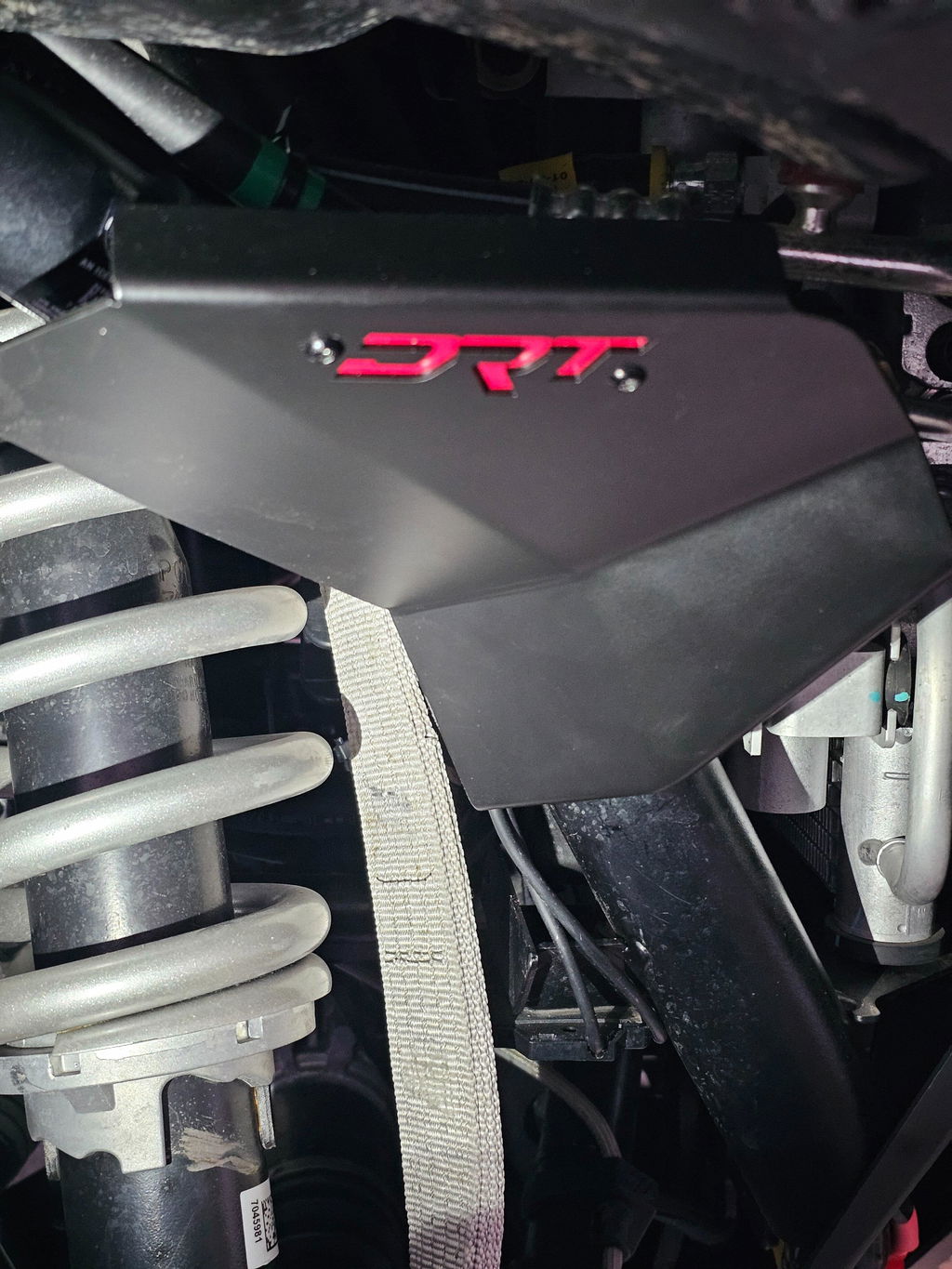
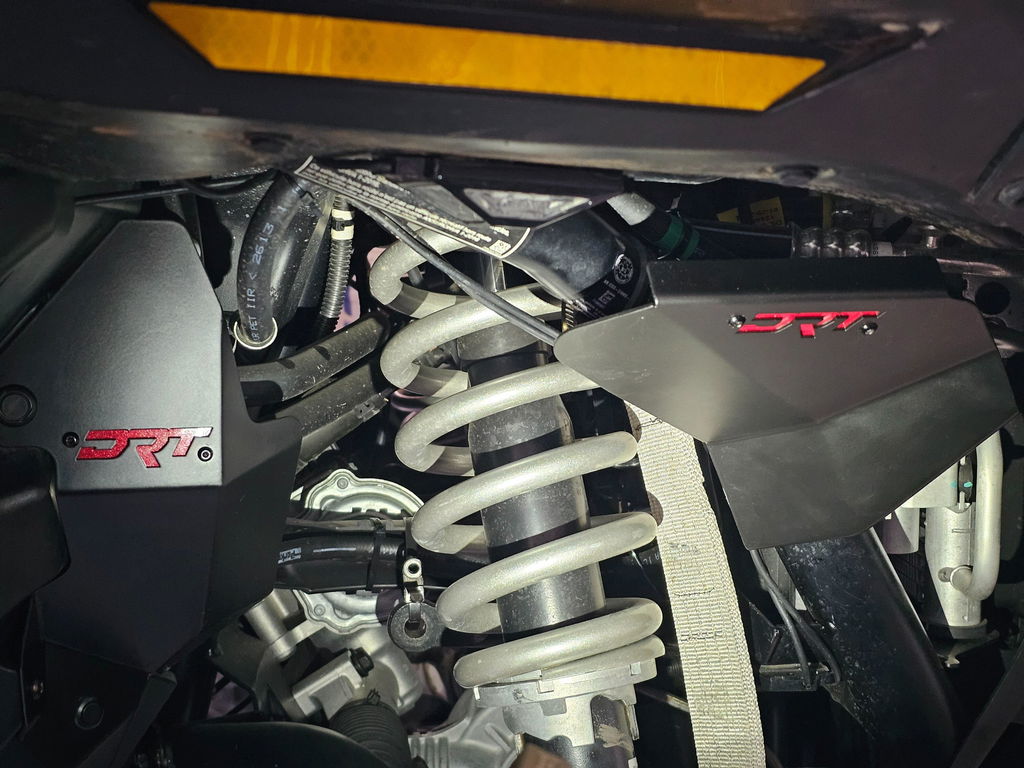
Rocker panels sit outside the center of the chassis. See how rock sliders protect the lower sides if you regularly pass close to rocks. DRT’s Pro R upgrade guide covers targeted guards for components such as the oil filter and inner CV boots.
Inspect the factory skid for wear, loose hardware, and gaps in coverage. If you need a replacement, confirm the model year, seat count, service openings, and compatibility with existing protection. Use the skid manufacturer’s installation instructions and check what each panel covers before ordering.
Start by looking for the openings you use during routine service. If a replacement covers a drain or access point, check whether the manufacturer provides a removable panel or whether the skid has to come off. Compare the number and location of the fasteners, especially if you remove the skid regularly to clean out packed mud.
Next, compare how the plate meets any front and rear panels. Check the joints and whether the hardware sits proud of the surface where it can contact an obstacle. Finally, use material and thickness to compare parts made for your exact chassis. For an example of a model-specific kit, see UTV Guide’s Factory UTV skid coverage for the RZR 4.
For coverage beyond the underside, see our UTV exterior protection guide.
Share:
Dos and Don’ts of Installing Aftermarket RZR Polaris Grilles
RZR Turbo R Trail Riding Essentials