


- by Landon McMath
Choosing the Right Side-by-Side for Rock Crawling
- by Landon McMath
Choose a side-by-side for rock crawling by looking at how it moves at walking pace. Low-range control, visibility, and clearance matter on the ledges and tight turns you’ll actually ride. Start with the terrain and legal route width, then compare specific trims.
Ask how the machine behaves from a stop in low range. Look for predictable engagement and small, repeatable movements when you ease onto the throttle. If the dealer permits it, try starting and stopping at low speed on an approved test area. Compare how the brake and throttle feel when you need to pause and reposition.
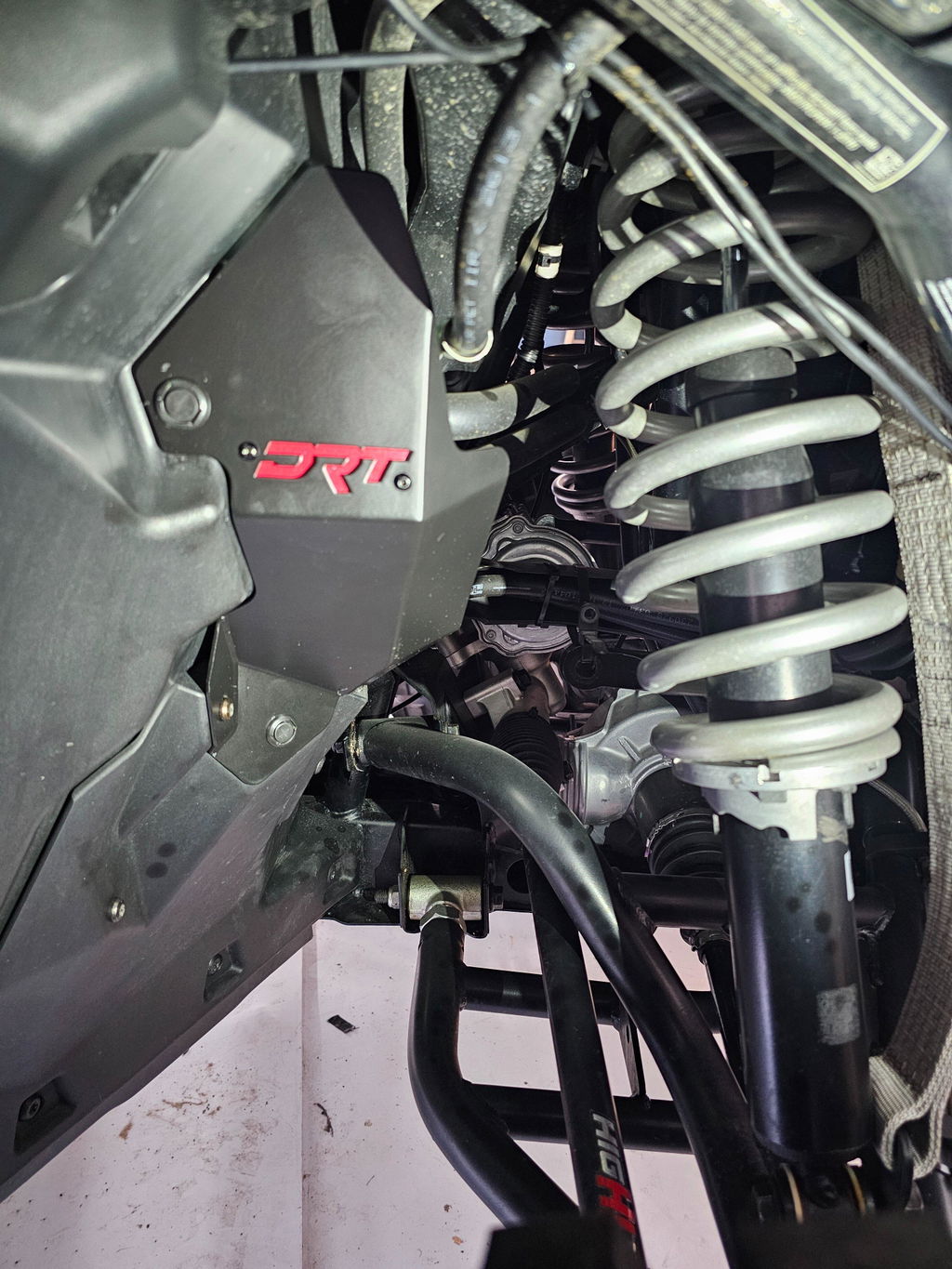
A shorter wheelbase can help on tight turns and abrupt crests. A longer machine may feel more settled over some obstacles but can need more room to turn. Look under the vehicle for its lowest points and check how far the bumpers and hitch extend. In UTV Guide’s Double Sammy field test, wheelbase, throttle mapping, and gearing all affected how the machine drove on the same rock trail.
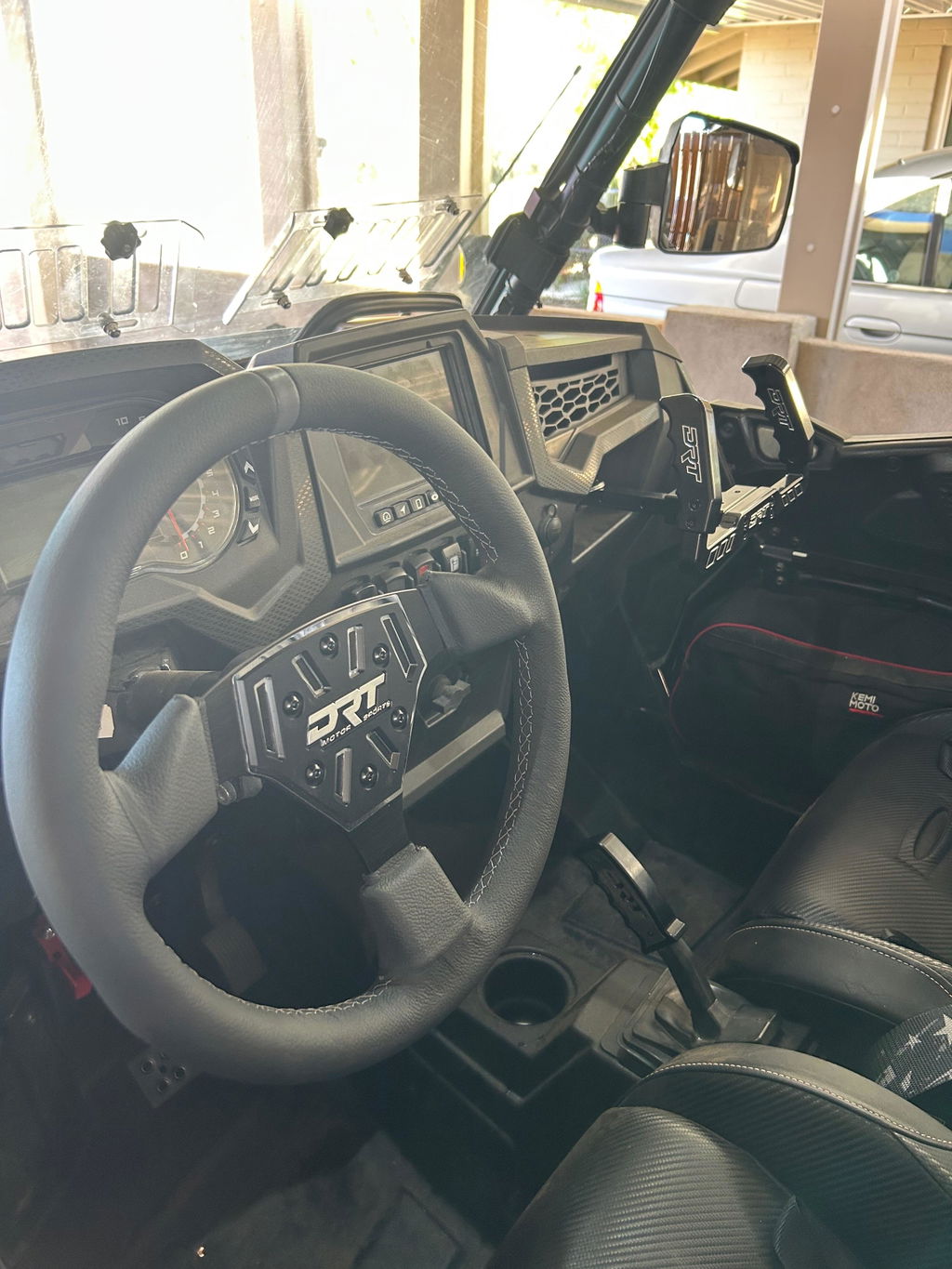
Sit in the driver’s seat and see how much of the approach you can see past the hood and doors. Confirm the factory tire size and look for sidewall and underbody protection appropriate to the trails you ride. Check traction modes and the manufacturer’s instructions for engaging them. Before changing tire size, ask about clearance and how it may affect gearing and driveline load.
Write down what you learn about each trim and test the features you expect to use. Then see DRT’s UTV rock crawling guide for route planning and basic technique.
Share:
How To Choose the Right Side-by-Side for Trail Riding
Billet vs. Cast Aluminum UTV Parts