

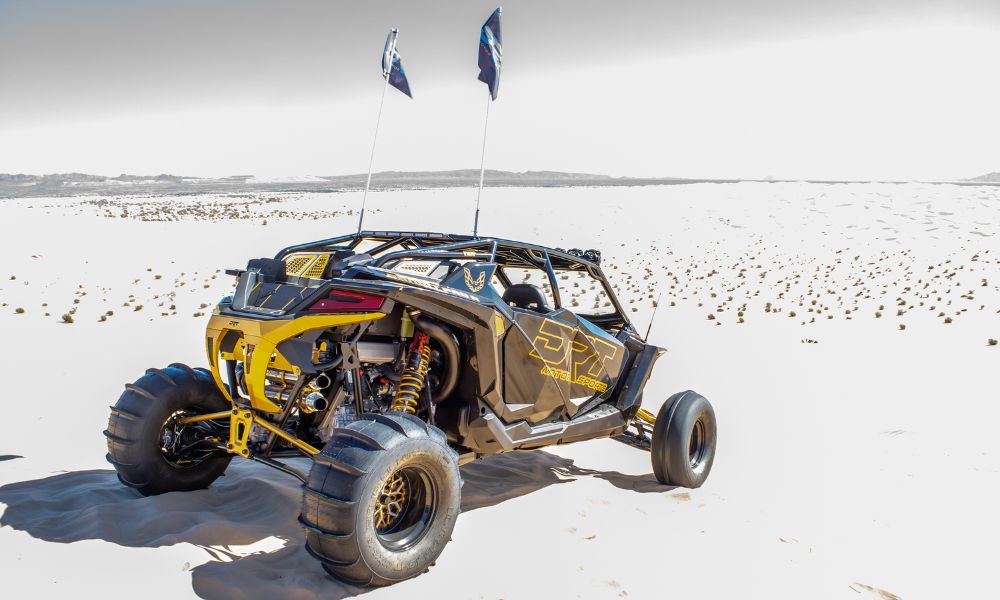
- by Daniel Rieke
Tips for Getting the Most Out of Your UTV This Winter
- by Daniel Rieke
Winter UTV riding starts with a route you can finish within your daylight and weather window. Check trail access, get the machine ready according to its manual, and plan where the group can turn back if snow, wind, or visibility changes.
Check the land manager’s latest closures and permitted uses. A summer UTV route may close or allow different vehicles in winter. Look at the forecast at the trailhead and at higher points on the route. The National Weather Service cold-weather guidance explains why wind chill matters when riders are exposed. Choose a shorter backup route and share your plan before you leave.
For equipment choices, use the UTV winter accessories checklist.
Agree on where to regroup and when to head back. Leave more space when snow or dust cuts visibility, and slow before corners or changes in grade. If you can’t tell what’s under the snow or the next section has no safe exit, turn around where you have room. Keep an offline map and tell your group who has it.
Clear packed snow from areas the owner’s manual identifies for inspection, and look for damage before towing. Follow the manufacturer’s cleaning guidance if the machine or trailer picked up road salt. After the equipment dries, put wet gear away separately so it’s ready for the next trip.
Share:
What to Wear Off-Road: UTV Riding Gear Checklist
The Benefits of Adding Enclosed Storage to Your UTV