
- by Chloe Buzzard
UTV Parts Manufacturing: From Material to Fitment
- by Chloe Buzzard
UTV parts manufacturing starts with what a part needs to do. A precise mounting bore, a formed bracket, and a contoured body panel each call for different production methods. The process matters because it affects shape, weight, finish, and how the part fits on the machine.
First, match the material and process to the job. A machined part starts as solid stock and a cast part takes shape in a mold. Both approaches can use aluminum. The strength and suitability of the finished part also depend on alloy, geometry, and manufacturing quality. See DRT’s billet vs. cast aluminum guide for the distinction.
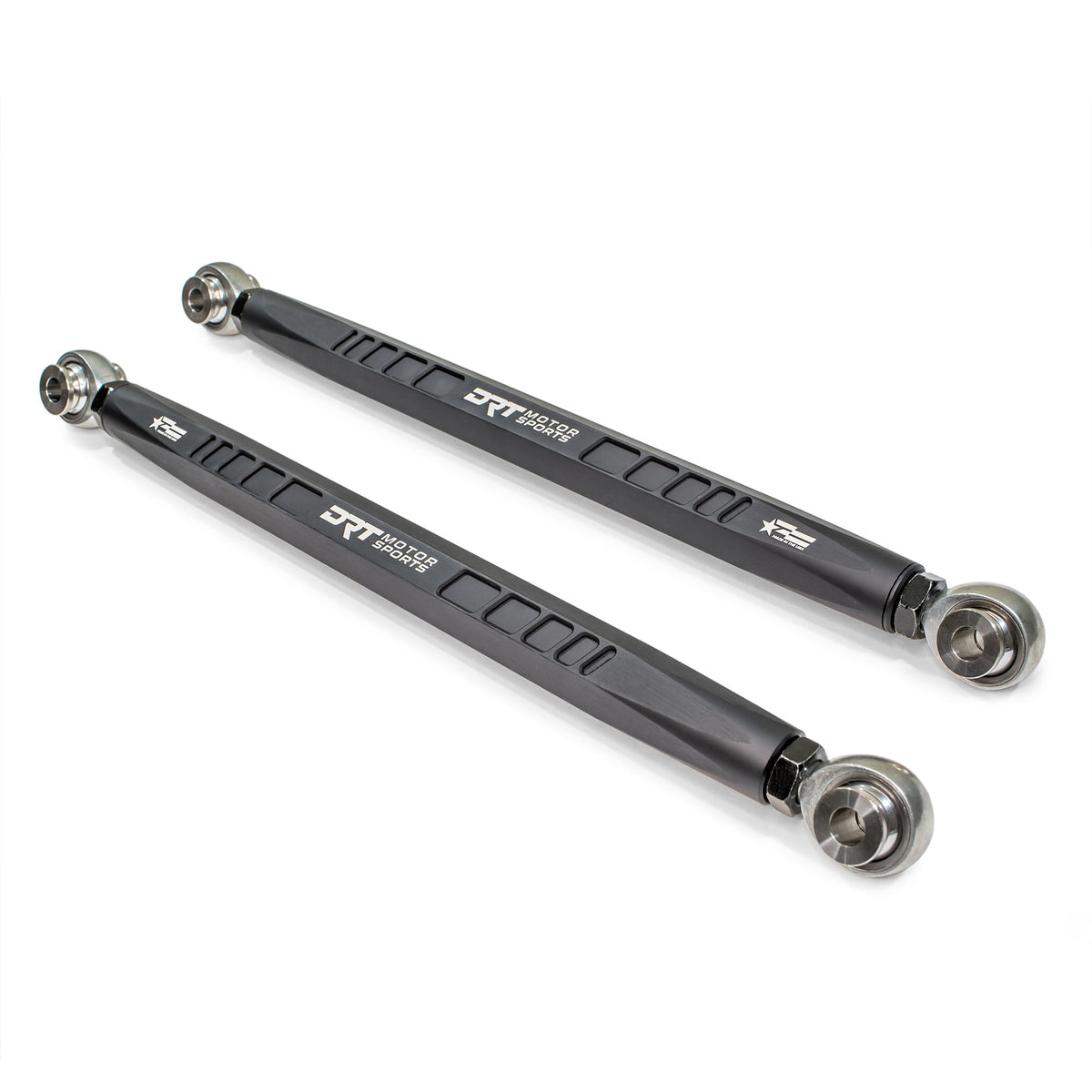
For example, DRT’s billet rear sway bar link kit uses machined aluminum link bodies. DRT’s Maverick R front bumper uses cut, formed, and welded steel. Each design uses a process suited to the shape and job of the component.
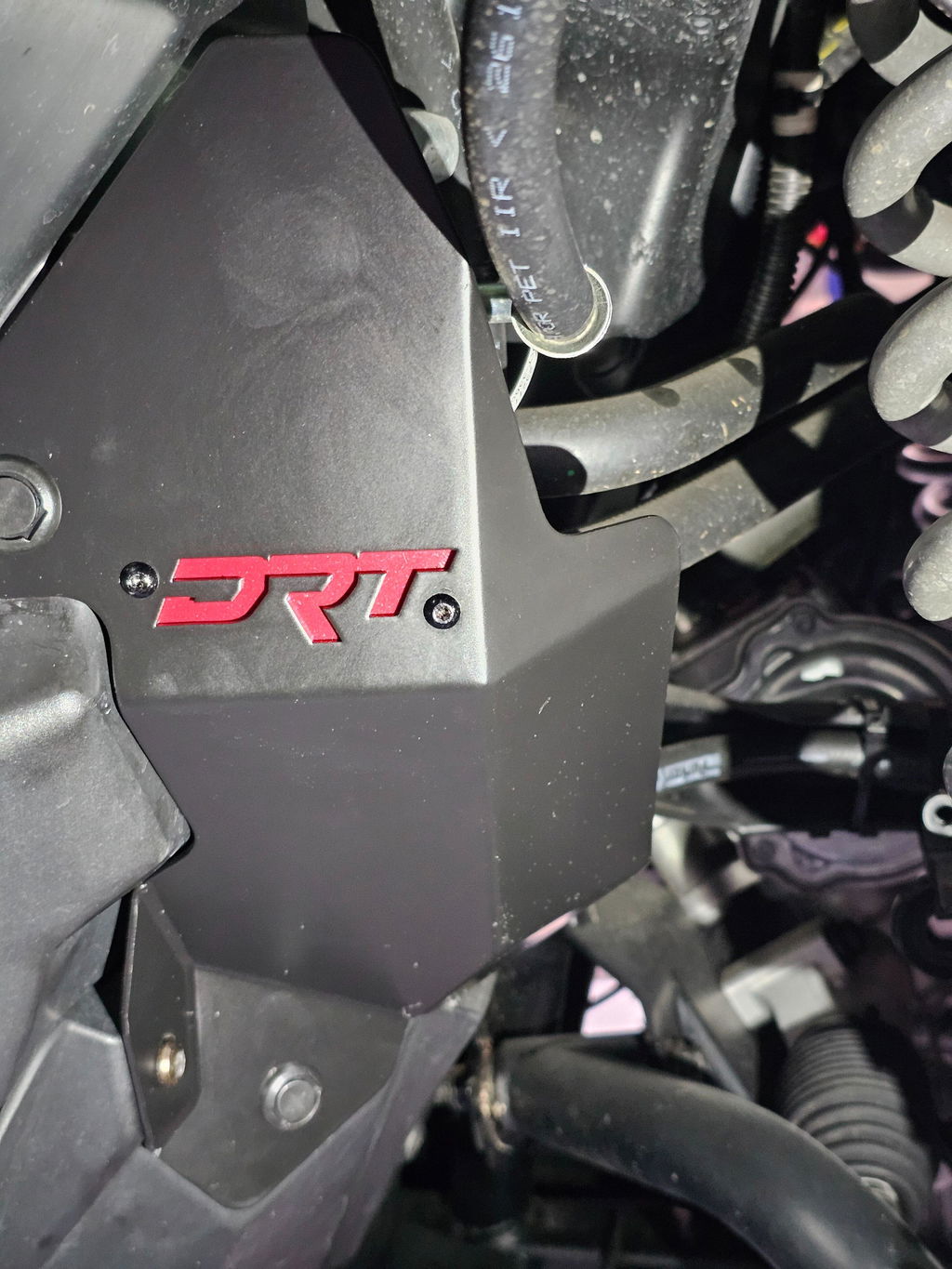
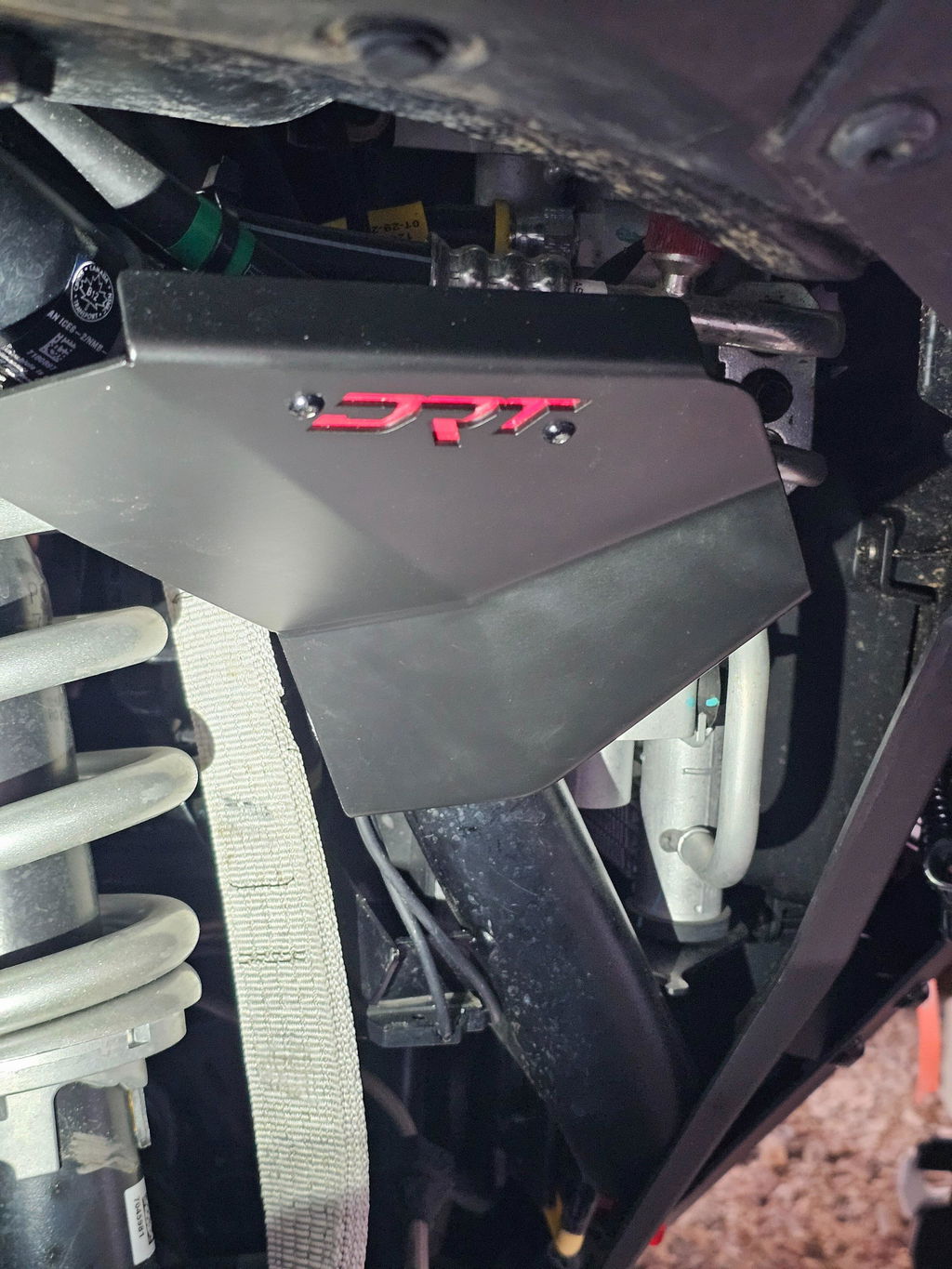
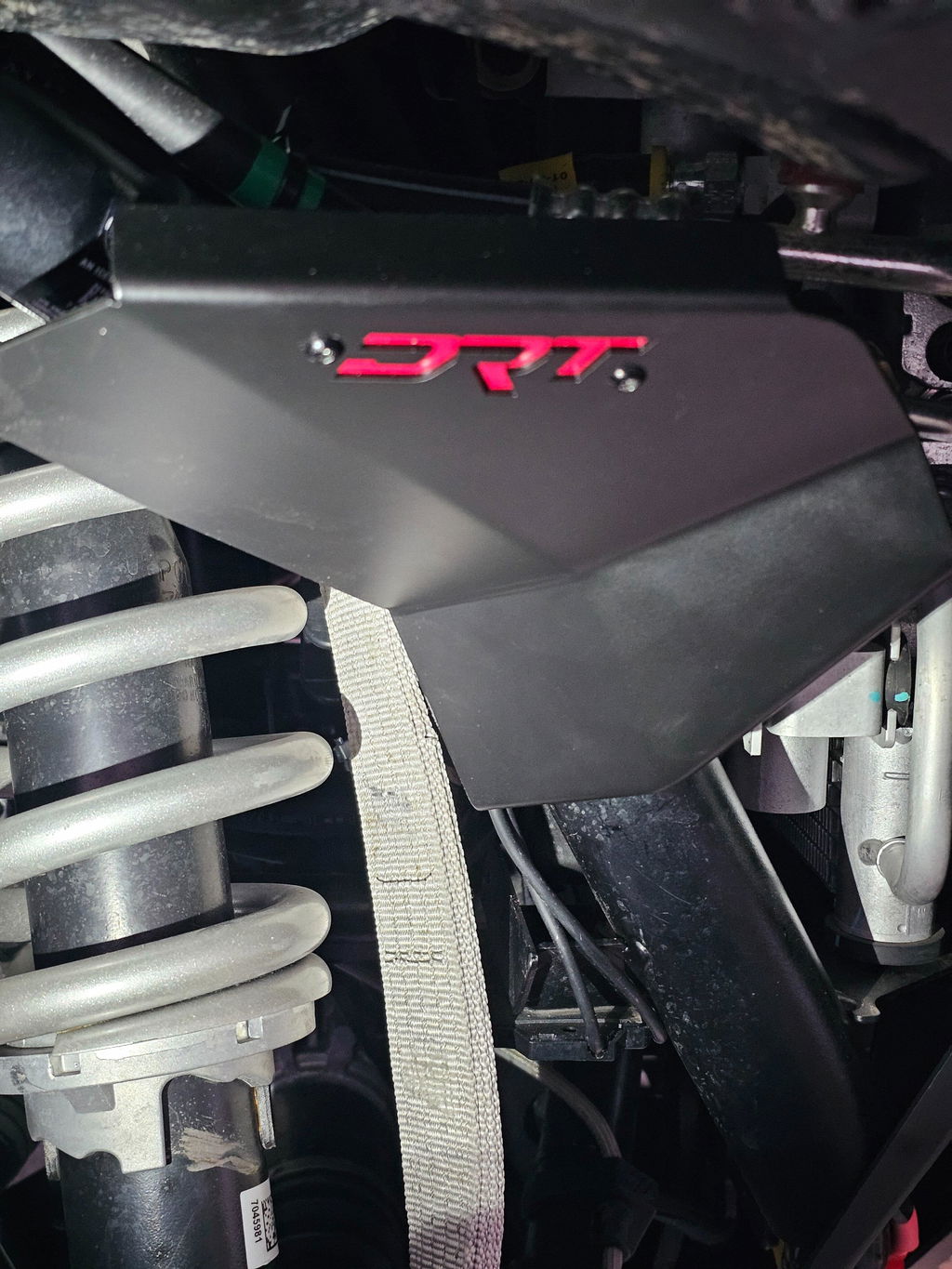
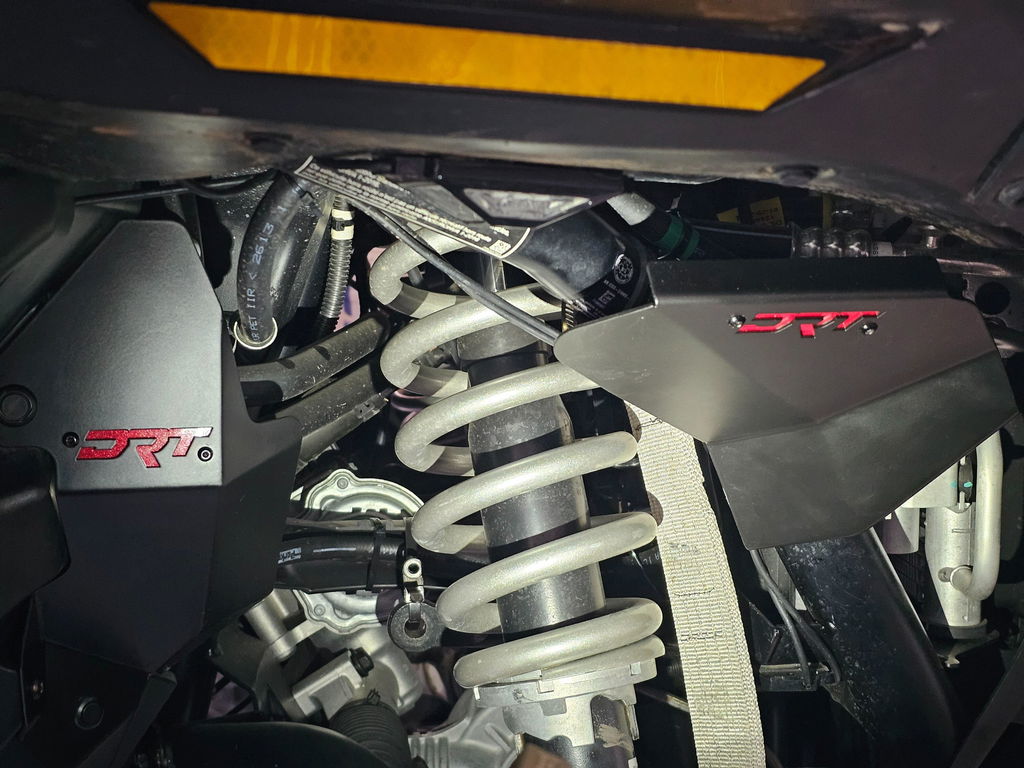
Next, look at the mounting holes, edges, and contact surfaces. A part may have the right overall shape and still need clearance for the factory hardware or surrounding panels. Read the installation instructions and check the model-year application. For an example of what component location means for fit, see UTV Guide’s Pro R protection coverage.
Finish is another part of the comparison. Check which surfaces are coated and which are left bare. Look at edges, bends, and threaded areas in particular. Those details can affect how a part fits together and what you’ll need to inspect after use.
Finally, compare the finished part as a whole. Look at how it mounts, which areas it covers, and how you’ll service the machine afterward. Understanding UTV parts manufacturing can help you ask those questions before choosing an upgrade.
Share:
Tips and Tricks for Safely Transporting Your SXS
How To Choose the Right UTV for Mud Riding