


- by Daniel Rieke
3 Benefits of Adding a Tire Carrier to Your UTV
- by Daniel Rieke
A UTV tire carrier keeps a spare secured while making better use of the cargo bed. Choose one by vehicle fitment, spare size, and how much access you need to tools, storage boxes, or a cooler.
A carrier can free up bed space for tools and gear. Check the published tire-size limit and the specified retention system. Also check clearance around the cage, exhaust, and any rear accessories.
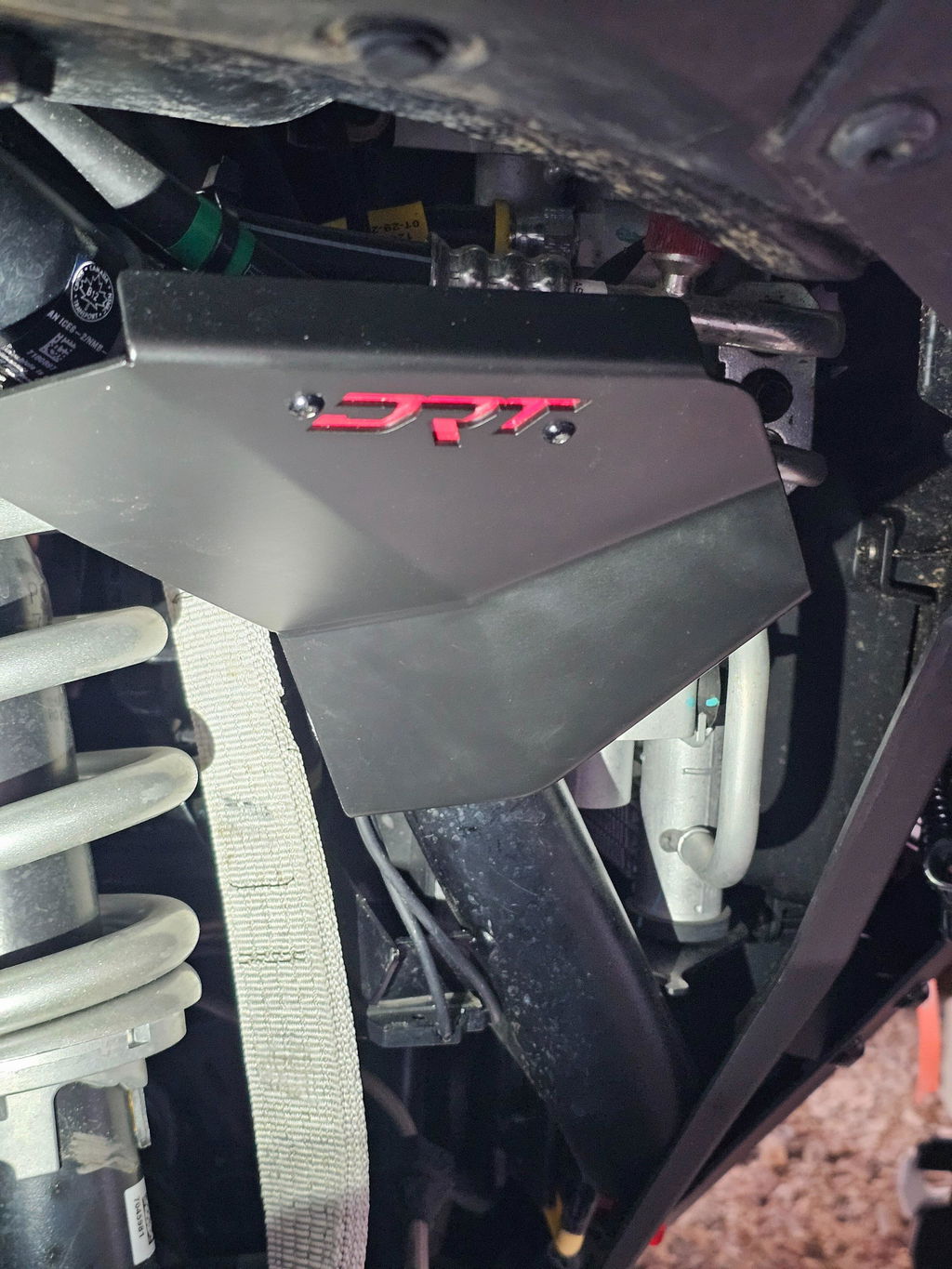
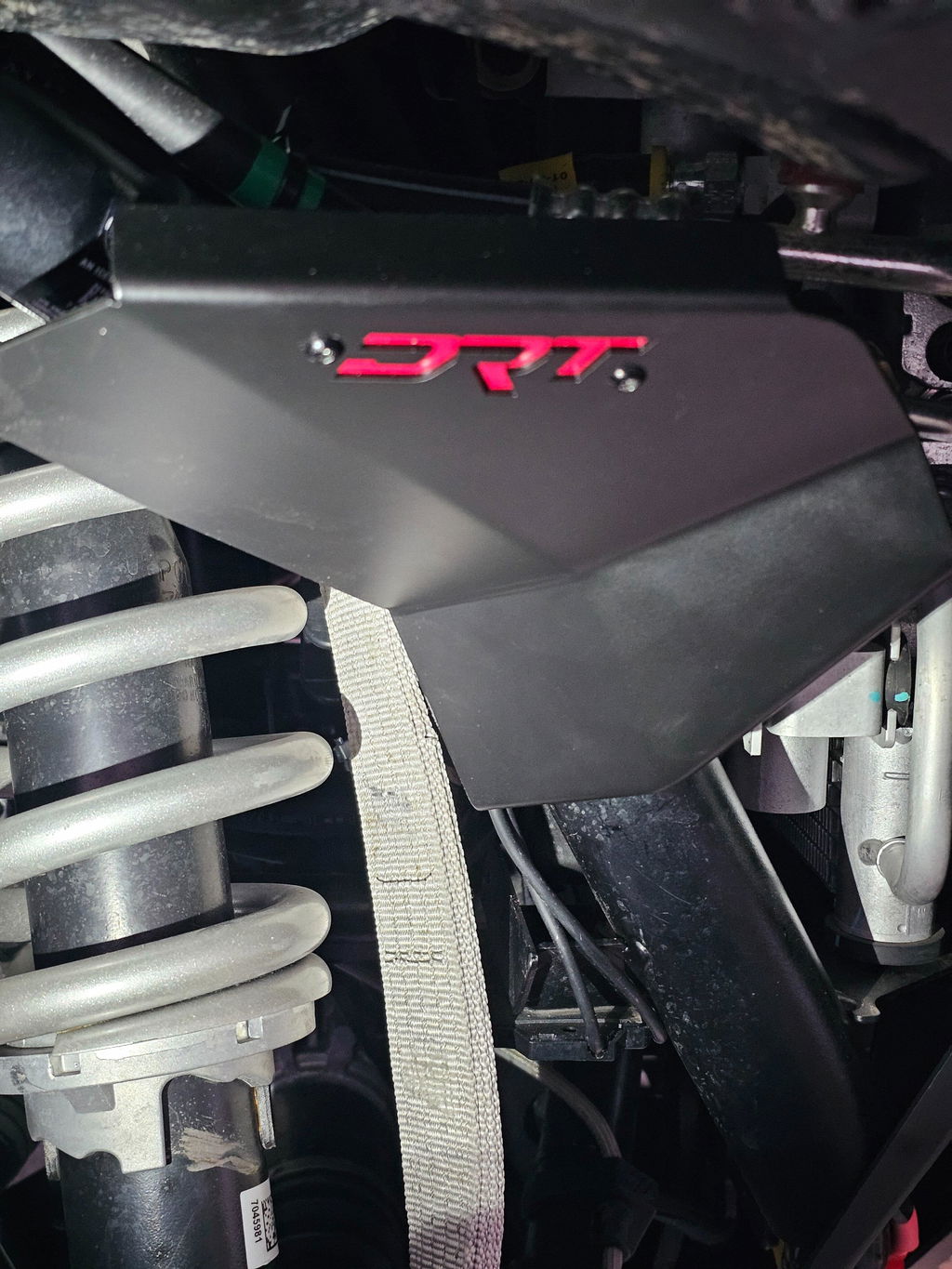
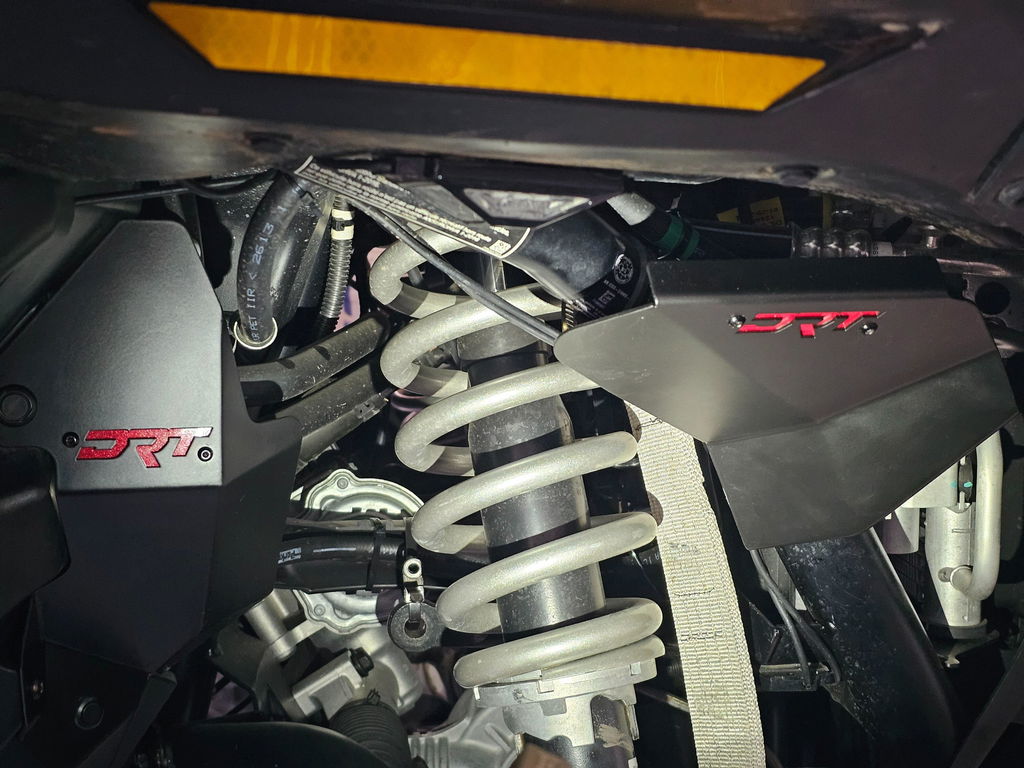
A fixed carrier can work when you rarely need access under the spare. A lift-assist carrier makes sense when you regularly open a storage box or reach into the bed. The DRT Maverick R Tire Carrier V2.0 uses gas struts and fits listed 2024+ Maverick R and R Max applications. DRT lists included low- and mid-rise configurations for specified storage systems, with a separate high-rise bracket for a compatible LinQ cooler.
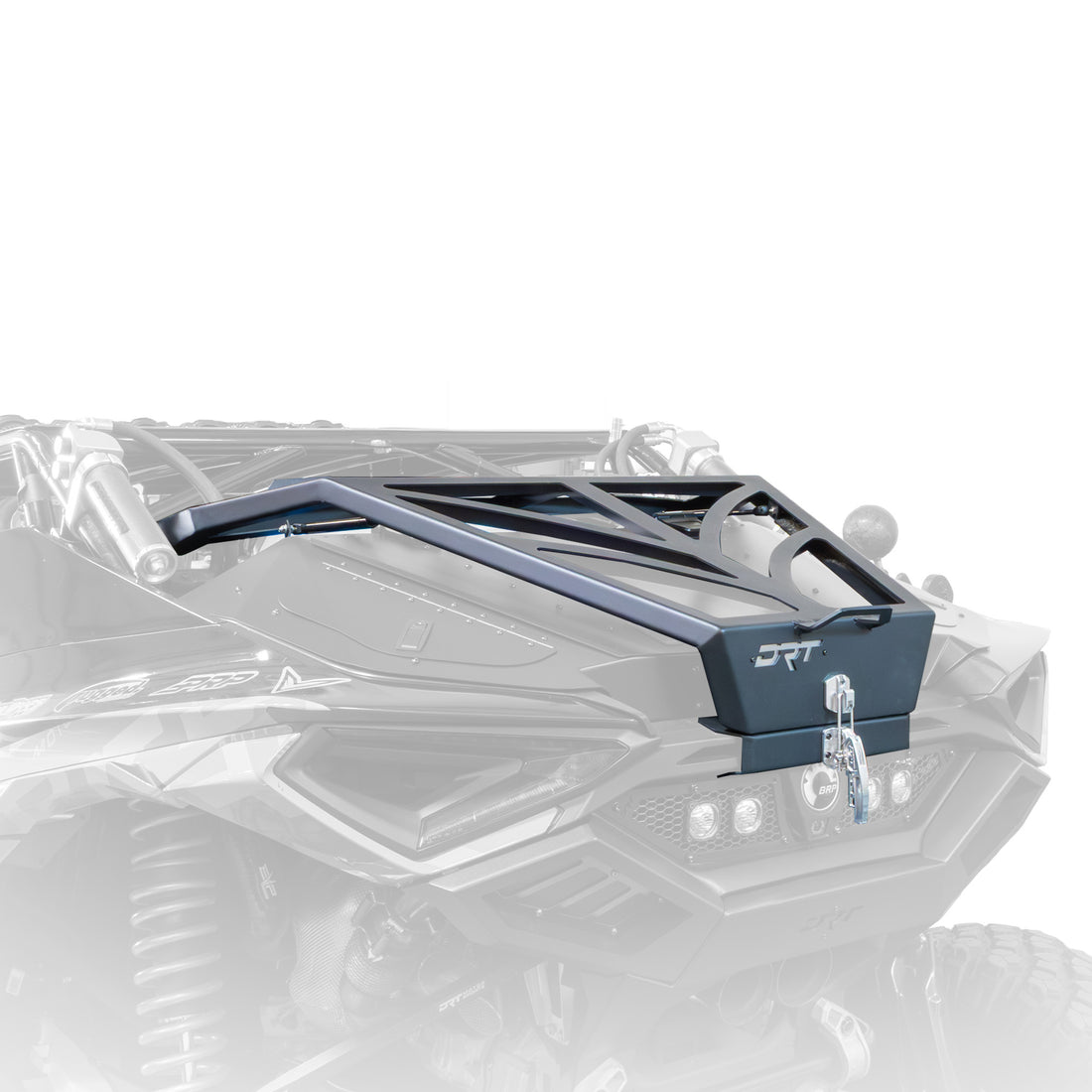
Check the lid opening and whether you can reach the latch with the spare mounted. See DRT’s guide to choosing enclosed UTV storage for a verified Maverick R carrier and enclosure pairing.
The DRT Polaris RZR Pro Series Tire Carrier and Adventure Rack V2.0 is another lift-assist example. Check the exact model, year, cargo-box combination, and any exclusions before ordering. For a Pro R Boost, confirm fitment explicitly because its rear cooling package occupies part of the bed.
Use the exact product’s installation information and check DRT’s installation guides (look up the carrier SKU). The Maverick R V2.0 listing calls for minor drilling. Before you ride, check that the carrier latches and that the spare and cargo can be secured as the instructions specify.
Share:
5 UTV Cargo Accessories for Day Rides
The Top 5 Best UTV Trails To Explore in the US